Design Residential Guide: Expert Insights for 2026
Imagine walking into a home in 2026, where smart technology, eco-friendly materials, and personalized comfort come together effortlessly. This is the new standard for those who want to design residential spaces that are both innovative and timeless.
In this guide, you will find expert insights and practical advice tailored for homeowners, designers, and developers. We break down the latest trends, proven planning strategies, and cutting-edge technology to help you shape your dream home for the future.
Ready to take the next step? Discover how you can create a forward-thinking living space that stands the test of time, supports your lifestyle, and delivers real value.
The Future of Residential Design: 2026 Trends and Insights
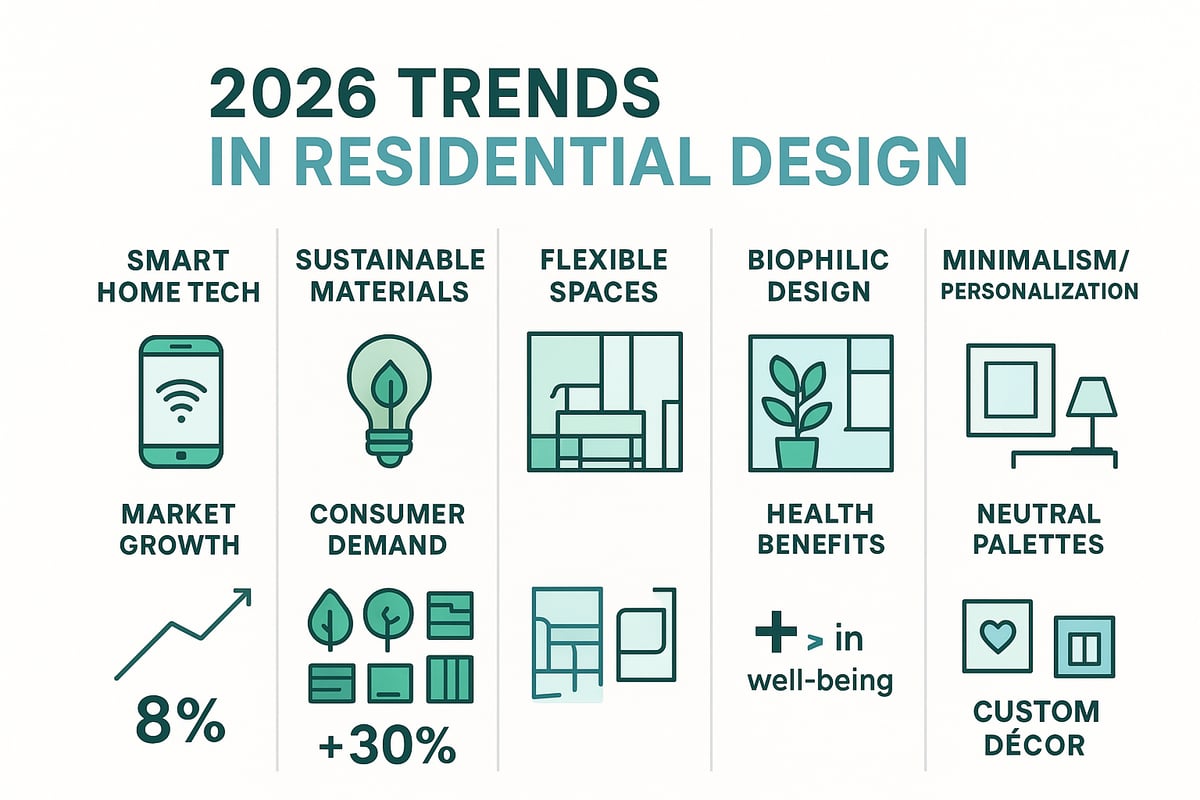
The landscape of design residential is set for remarkable transformation by 2026. Homeowners, developers, and designers are embracing a blend of technology, sustainability, flexibility, and personal expression. Let us explore the most influential trends shaping the future of residential spaces, ensuring your next project stands out and delivers lasting value.
Embracing Smart Home Innovations
By 2026, design residential will be defined by the integration of advanced smart home technologies. Expect AI-driven automation to manage daily routines, voice-activated controls for seamless convenience, and a robust IoT ecosystem connecting every device.
Popular features include:
- Smart thermostats that learn your schedule
- Adaptive lighting systems adjusting to natural light
- Intelligent security systems with real-time alerts
According to recent market research, the adoption of smart home devices is projected to grow by 25% annually. This surge is fueled by the need for greater energy efficiency, convenience, and enhanced safety. Smart innovations in design residential not only simplify life but also significantly reduce utility costs and environmental impact.
Sustainable and Eco-Friendly Materials
Sustainability is no longer optional in design residential. Homeowners and developers are prioritizing recycled, renewable, and low-impact materials to create healthier living environments.
Examples of eco-friendly materials:
- Bamboo flooring for rapid renewability
- Recycled steel for structural elements
- Low-VOC paints that improve indoor air quality
A recent survey found that 70% of homeowners consider sustainability a top priority. The long-term advantages include better health outcomes, reduced environmental footprint, and increased property value. For a deeper dive into the latest innovations, check out these Sustainable Building Materials Trends 2025.
| Material | Benefit | Example Use |
|---|---|---|
| Bamboo | Renewable, durable | Flooring |
| Recycled Steel | Low-impact, recyclable | Framing/Structure |
| Low-VOC Paint | Healthier air, safe | Walls/Finishes |
Flexible and Multi-Functional Spaces
Modern design residential spaces are evolving to support dynamic lifestyles. The shift toward flexible, multi-functional rooms is stronger than ever, with rising demand for home offices, convertible guest rooms, and adaptable living areas.
Consider these flexible solutions:
- Movable partitions for instant privacy
- Fold-away beds and modular furniture
- Open-plan layouts that evolve with family needs
A Zillow report found a 62% increase in demand for flexible spaces since the pandemic. These solutions future-proof your home, support remote work, and ensure your design residential project adapts as life changes.
Biophilic Design Principles
Biophilic design is transforming design residential by reconnecting people with nature. Integrating natural elements boosts mood, productivity, and overall wellbeing.
Key features of biophilic design:
- Living walls and vertical gardens
- Large windows maximizing daylight
- Use of organic, tactile materials
Studies show that homes designed with nature in mind help reduce stress and increase creativity. Adding indoor plants and maximizing natural light are simple steps to make any design residential project more inviting and health-promoting.
Minimalism Meets Personalization
Minimalism remains central to design residential, but in 2026, it is all about blending clean lines with personal flair. The result is a space that feels both functional and uniquely yours.
Current trends include:
- Neutral color palettes for timeless appeal
- Custom artwork or statement pieces for personality
- Multi-use furniture that saves space and adds style
This approach creates a harmonious balance, ensuring your design residential environment is both practical and expressive. Personal touches do not just add character, they also increase comfort and satisfaction in daily living.
Step-by-Step Planning for a Successful Residential Design Project
Embarking on a design residential project can feel overwhelming, but with the right plan, anyone can achieve a stunning, future-ready home. Whether you are renovating or building from the ground up, a clear roadmap ensures your vision becomes reality. Let’s break down the process into actionable steps that set your design residential journey up for success.
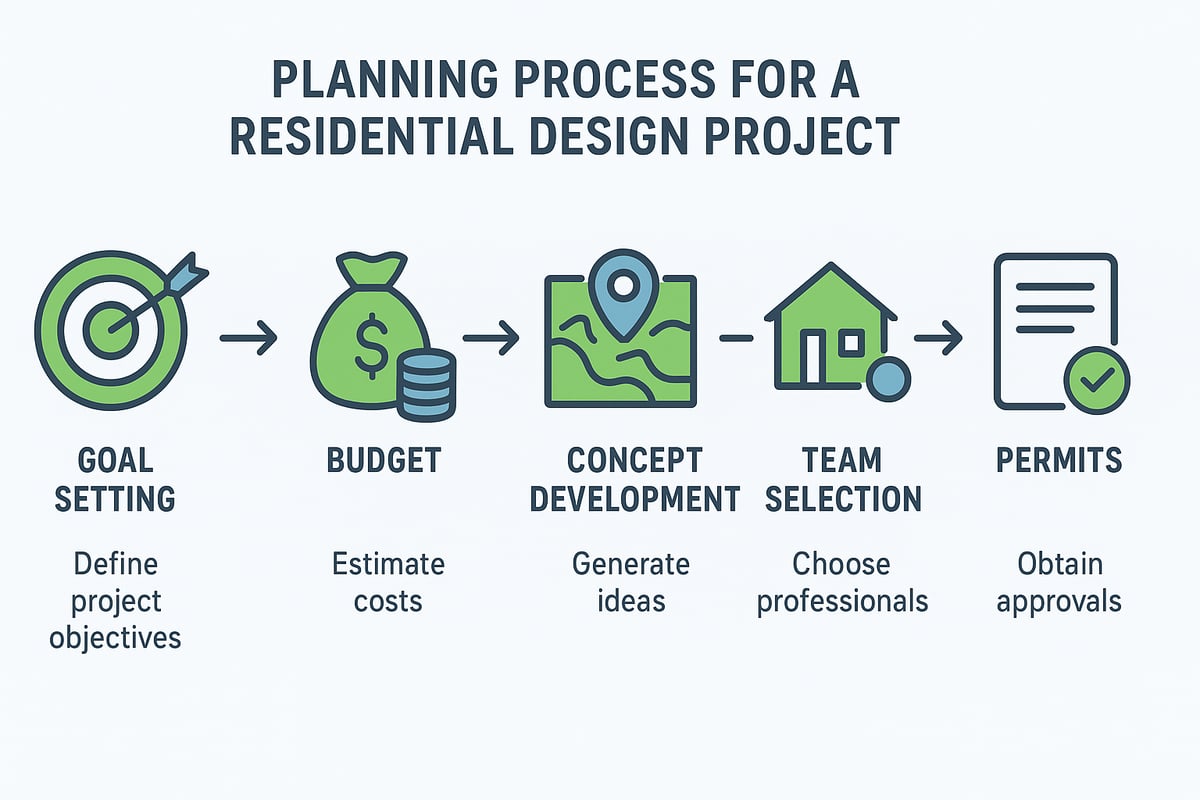
Defining Project Goals and Budget
The first step in any design residential project is to clarify your goals. What lifestyle needs, aesthetic preferences, and sustainability targets do you have? Jot down your must-haves and wish-list items.
Establishing a realistic budget is equally vital. Consider all costs, including materials, labor, and technology upgrades. Set aside 10–15 percent as a contingency for unexpected expenses. Early financial planning can prevent unwanted surprises and keep your project on track.
A helpful table for initial planning:
| Step | Action | Tip |
|---|---|---|
| Set Goals | List priorities and preferences | Think long-term needs |
| Make Budget | Calculate total and buffer amount | Include 10-15% contingency |
Clear objectives and smart budgeting form the foundation of every successful design residential project.
Site Analysis and Feasibility Studies
Before you get creative, start with a thorough site analysis for your design residential plans. Assess the property’s orientation, local climate, and zoning regulations. These factors influence everything from window placement to energy efficiency.
Use tools like site surveys and zoning maps to guide your research. Understanding site constraints helps you optimize layouts and avoid costly mistakes. Feasibility studies can reveal hidden opportunities or challenges, such as sunlight patterns or unique views.
By knowing your site inside and out, your design residential project will be better prepared for smooth progress and fewer setbacks.
Concept Development and Space Planning
Now comes the exciting part—developing concepts and mapping out your space. Sketch initial ideas, focusing on layout, flow, and accessibility. Prioritize spaces that can adapt to changing needs, like open-plan living or rooms with movable partitions.
Consider how each area will function. Will you need a home office, a guest suite, or flexible family zones? Future-proof your design residential plan by allowing for easy modifications down the road. Visual aids like floor plans or digital mockups can help you and your team stay aligned.
A well-thought-out concept sets the tone for the entire project, ensuring every square foot is purposeful.
Selecting the Right Design Team
Your design residential vision is only as strong as the team behind it. Hire experienced architects, interior designers, engineers, and contractors who understand your goals. Look for professionals with a relevant portfolio and glowing client testimonials.
Collaboration is key—choose people who communicate clearly and are open to your ideas. Review Residential design project portfolio examples to gauge the quality and style you want for your own project.
A skilled team brings your design residential dreams to life, streamlining the process and delivering lasting results.
Navigating Permits and Regulations
No design residential project is complete without proper permits and regulatory approvals. Research the permitting process in your area early to avoid delays. Understand local building codes, sustainability standards, and any special requirements.
Coordinate with local authorities from the start. Submit complete documentation and respond promptly to requests for information. Early engagement can smooth approvals and help you sidestep common roadblocks.
By carefully navigating the regulatory landscape, your design residential project will progress efficiently and meet all necessary standards.
Integrating Sustainability and Energy Efficiency
Creating a future-ready home means making sustainability and energy efficiency central to your design residential strategy. By weaving green solutions into every phase, you boost comfort, cut costs, and add long-term value. Let's explore how you can transform your space with proven sustainable practices.
Passive Design Strategies
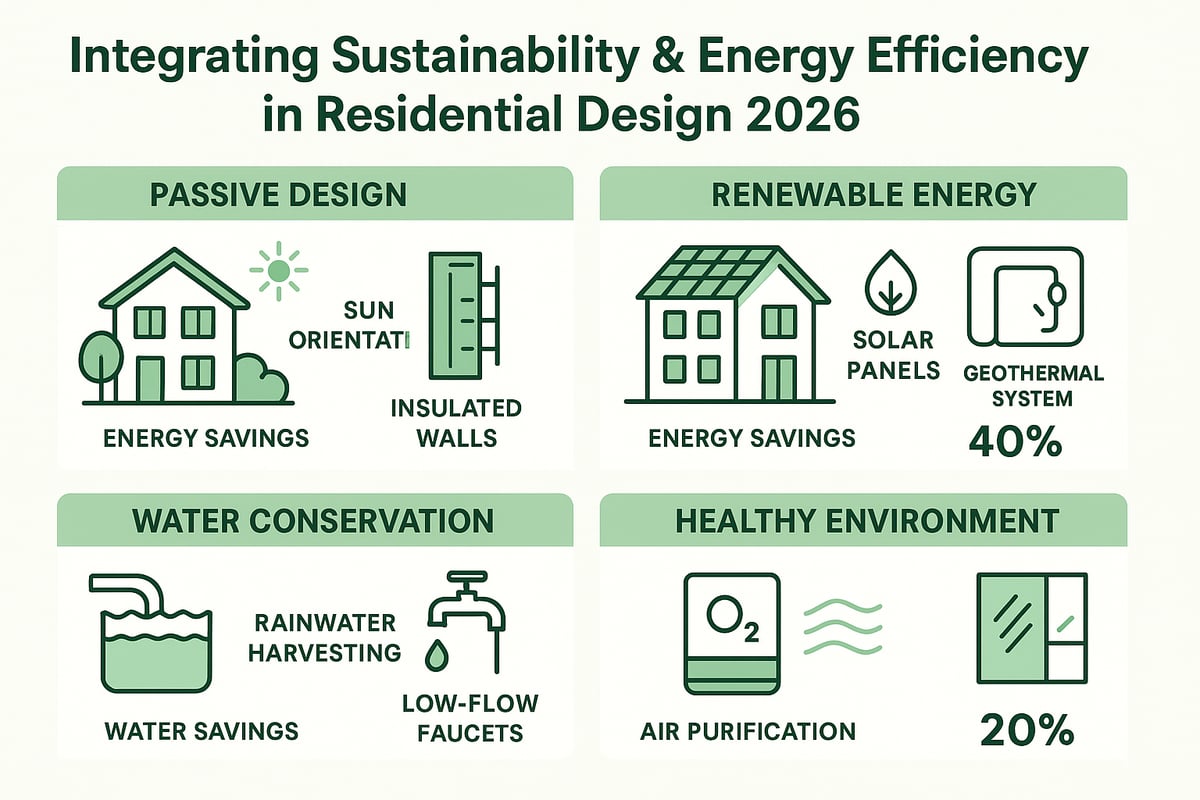
The foundation of a sustainable design residential project starts with passive design strategies. Focus on your home's orientation to maximize natural light and warmth in winter, and minimize heat gain in summer.
Use high-quality insulation and thermal mass materials like concrete or brick to regulate indoor temperatures year-round. South-facing windows can capture sunlight, while natural ventilation keeps air fresh and reduces reliance on mechanical systems.
Studies show these passive techniques can cut heating and cooling costs by up to 40%. Think of your home as a living organism, working with the environment instead of fighting against it. Prioritizing these strategies early on sets the tone for a truly efficient design residential experience.
Renewable Energy Solutions
Powering your home with clean energy is a game-changer for any design residential project. Solar panels are now more affordable and efficient, making them a top choice for homeowners. Geothermal heating and wind turbines are also gaining momentum, especially in regions with supportive incentives.
Consider the case of net-zero energy homes in California, where smart integration of solar, insulation, and efficient HVAC systems has led to complete energy offset and low utility bills. By partnering with experts who specialize in sustainable architecture services, you can tap into the latest technologies and maximize available rebates in 2026.
Investing in renewable energy not only shrinks your carbon footprint but also increases the resilience and value of your design residential investment.
Water Conservation and Management
Efficient water use is another pillar of sustainable design residential planning. Install low-flow fixtures to reduce consumption without sacrificing performance. Rainwater harvesting systems can collect and store water for landscaping or flushing toilets.
Drought-tolerant landscaping, like native plants and xeriscaping, slashes outdoor water needs. According to the EPA, these solutions can cut water use by up to 50%. Greywater recycling systems take it a step further, reusing water from sinks and showers for irrigation.
By making water management a priority, your design residential project becomes future-proof against shortages and rising utility costs.
Healthy Indoor Environments
A truly sustainable design residential approach means caring for the health and well-being of everyone inside. Prioritize fresh air with advanced ventilation systems, and choose non-toxic materials like low-VOC paints and natural flooring to minimize indoor pollutants.
Maximize daylight with large windows and skylights, which boost mood and productivity. Control noise with effective insulation and thoughtful layout choices, ensuring a peaceful home environment.
Long-term, these healthy indoor choices create a sanctuary that supports productivity, sleep, and overall happiness. Sustainable design residential is about more than efficiency—it's about building a home that nurtures life.
Technology Integration: Creating the Smart Home of Tomorrow
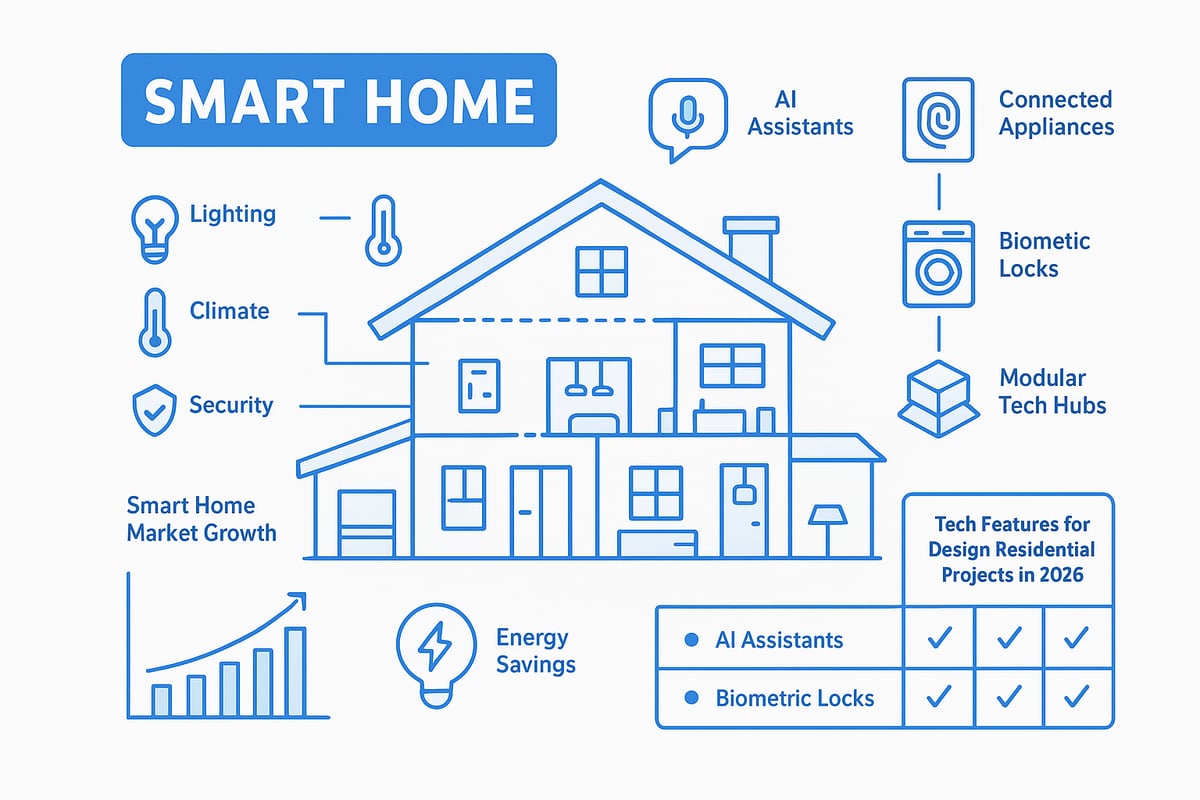
Imagine walking into a space where every detail works in harmony to enhance comfort, efficiency, and security. This is the promise of technology in design residential projects for 2026. From intuitive automation to future-ready infrastructure, integrating the latest innovations is no longer optional—it’s expected. As the Smart Home Market Growth Forecast predicts, the industry will reach new heights as homeowners demand more connected, efficient living. Let’s explore the must-have technologies shaping tomorrow’s homes.
Home Automation Systems
Home automation is at the heart of design residential innovation. In 2026, centralized control panels and mobile apps will let homeowners adjust lighting, temperature, music, and security from anywhere. AI-powered assistants are now deeply integrated, learning your habits and optimizing comfort automatically.
Imagine waking up to gentle lighting, your favorite playlist, and a perfectly brewed coffee—all triggered by a single voice command. These systems don’t just add convenience, they also enhance energy efficiency, adapting usage in real time based on your needs.
Key features to prioritize:
- Seamless voice and app control
- Customizable automation routines
- Integration with existing devices and platforms
When planning your next design residential project, consider how automation can simplify daily routines and boost property value.
Security and Privacy Considerations
With increased connectivity in design residential spaces comes the need for robust security and privacy measures. Modern homes deploy advanced surveillance cameras, smart locks, and even biometric access to keep families safe.
Cybersecurity is equally important. Home networks must be fortified against hacking and unauthorized access. Simple steps like setting strong passwords, updating firmware regularly, and using encrypted devices can make a big difference.
Common vulnerabilities include:
- Weak device passwords
- Unsecured Wi-Fi networks
- Outdated software
Addressing these risks during the design residential process ensures peace of mind and long-term safety for occupants.
Connected Appliances and Energy Management
Connected appliances are transforming the way we interact with our living spaces. Smart refrigerators, ovens, washers, and dryers now communicate directly with users, providing real-time status updates and maintenance alerts. Energy monitoring systems track consumption, helping homeowners optimize usage and reduce waste.
Below is a quick comparison of benefits:
| Feature | Impact on Home | Benefit for Occupants |
|---|---|---|
| Smart Appliances | Automation | Convenience, time saved |
| Energy Monitoring | Reduced bills | Up to 20% savings |
| Usage Tracking | Efficiency | Lower carbon footprint |
Integrating these solutions during the design residential phase delivers measurable savings and a more sustainable lifestyle.
Future-Proofing with Modular and Upgradeable Tech
The pace of innovation means today’s smart home may need upgrades tomorrow. Future-proofing is essential in every design residential project. Modular wiring systems, wireless charging zones, and standardized tech interfaces allow for easy tech updates as new devices emerge.
For example, installing conduit pathways and extra outlets ensures flexibility for future gadget integration. Wireless hubs and modular panels support seamless expansions without invasive renovations.
Benefits of future-proof design residential strategies:
- Lower long-term costs
- Higher resale value
- Effortless adaptation to new tech trends
Designing with adaptability in mind guarantees your home stays ahead of the curve, ready for whatever the future brings.
Expert Recommendations for Residential Design Success
Designing residential spaces for 2026 requires more than just creative flair. Success comes from blending expert advice, innovative thinking, and a keen understanding of user needs. Here are proven recommendations to help you achieve your design residential goals with confidence.
Collaborating with Professionals
Early collaboration with seasoned professionals is the cornerstone of any successful design residential project. Architects, interior designers, and engineers bring specialized knowledge that transforms your vision into reality while avoiding costly mistakes.
By involving experts from the outset, you unlock access to advanced solutions like flexible ADU layouts and sustainable building methods. For example, working with a team experienced in Modern ADU design solutions can help you create adaptable, multi-purpose spaces that maximize your home's potential.
Open communication and regular check-ins ensure the project remains aligned with your design residential objectives. This collaborative approach fosters creativity and streamlines problem-solving, resulting in a space tailored to your lifestyle.
Staying Informed on Local Codes and Innovations
Keeping up with evolving building codes and industry innovations is essential for every design residential project. Regulations around energy efficiency, safety, and sustainability are constantly changing.
Leverage resources like industry publications, trade shows, and online courses to stay ahead. Consult with local authorities early in the process to avoid surprises and streamline approvals. A proactive approach helps you anticipate challenges and integrate the latest advancements into your project.
By making code compliance and innovation a priority, you future-proof your design residential investment and ensure long-term value.
Prioritizing User Experience and Lifestyle Needs
A successful design residential project goes beyond aesthetics. It should reflect the daily routines, hobbies, and future plans of the occupants. Start by mapping out household activities and pinpointing areas for improvement.
Consider features like aging-in-place amenities, child-friendly layouts, or dedicated hobby spaces. Incorporate biophilic elements, such as roof gardens or natural materials, to boost well-being and comfort. Understanding user needs ensures your design residential space adapts as your family evolves.
Personalization creates a home that feels truly yours, increasing satisfaction and long-term enjoyment.
Balancing Aesthetics, Function, and Budget
Achieving the right balance between style, functionality, and cost is a challenge in every design residential project. Begin by defining your must-haves and wish list, then prioritize according to budget.
Use value engineering to find smart substitutes for expensive materials without sacrificing quality. Compare options in a simple table:
| Feature | High-End Option | Value Option |
|---|---|---|
| Flooring | Hardwood | Bamboo |
| Countertops | Quartz | Recycled glass |
| Lighting | Custom fixtures | LED track lights |
Regularly review spending to stay on track. Thoughtful planning allows you to achieve your dream design residential space without overspending.
Measuring Project Success
Success in design residential projects is best measured through clear, actionable metrics. Define key performance indicators (KPIs) such as energy savings, occupant satisfaction, and return on investment before construction begins.
Collect feedback from residents after move-in to identify what works and what can be improved. Post-occupancy evaluations create a feedback loop that drives future improvements and innovation.
By tracking these metrics, you ensure every design residential project delivers lasting value and stands the test of time.
Case Studies: Innovative Residential Designs for 2026
In 2026, the best design residential projects set new standards for sustainability, comfort, and adaptability. The following case studies showcase how innovative thinking and strategic planning can transform the way we live. Each example highlights unique solutions that can inspire your next design residential venture.
Net-Zero Energy Home in California
This design residential project embodies energy independence and environmental responsibility. The home leverages solar panels, high-performance insulation, and a smart HVAC system to achieve net-zero energy consumption.
Key features include:
- South-facing windows maximizing natural light
- Thermal mass walls regulating indoor temperature
- AI-driven controls optimizing energy use
The result is a 100% energy offset, dramatically reducing utility bills. Homeowners enjoy year-round comfort and future-proof savings, proving that a design residential approach can make sustainability effortless.
Urban Micro-Living Apartment in New York
In dense cities, design residential innovation means making every inch count. This New York micro-apartment integrates convertible furniture and built-in storage into a 350-square-foot footprint.
Highlights:
- Murphy bed and fold-out desk for flexible use
- Modular kitchen with hidden appliances
- Sliding partitions for privacy and adaptability
Despite its compact size, the design residential layout supports a vibrant lifestyle. Residents enjoy functional zones for work, rest, and entertainment, all while minimizing clutter and maximizing city living.
Biophilic Luxury Villa in Costa Rica
Nature is at the heart of this design residential masterpiece. The villa features expansive indoor-outdoor living spaces, organic materials, and extensive landscaping. Living walls, large windows, and indoor gardens create a seamless connection to the environment.
Biophilic elements boost wellness, offering fresh air and stunning views. For more inspiration on integrating nature into your design residential project, explore these roof garden architecture insights.
This villa proves that luxury and sustainability can go hand in hand, delivering a tranquil, restorative retreat.
Adaptive Multi-Generational Home in Texas
Flexibility defines this design residential solution. The Texas home features accessible layouts, separate entrances, and communal spaces to support multiple generations under one roof.
Key design elements:
- Private suites for independence
- Shared kitchen and dining for togetherness
- Universal design for aging-in-place
This approach ensures that the design residential environment evolves alongside family needs, making it a smart investment for changing lifestyles.
Modular Prefab Home in Oregon
Speed and efficiency drive this design residential case. The Oregon prefab home is constructed off-site, slashing build times by 30% and cutting costs by 20%. Customizable layouts allow homeowners to tailor the space to their needs.
Advantages include:
- Reduced construction waste
- Enhanced quality control
- Future-proof modular expansion
The design residential strategy here demonstrates how innovation can deliver affordability and adaptability without compromise.
Lessons Learned and Takeaways
These design residential case studies reveal common success factors: sustainability, adaptability, and user-focused design. Challenges, such as balancing cost with innovation, were overcome through collaboration and technology.
Projects like the Stockholm Wood City Project
illustrate the global reach of sustainable design residential practices. The key takeaway? Embrace forward-thinking solutions, prioritize wellness, and never underestimate the power of thoughtful planning in every design residential journey.
Now that you’ve explored the latest trends, practical planning steps, and expert tips shaping residential design for 2026, you might be feeling inspired to bring your own vision to life. At WL3 Designs, we know how important it is to start your project on the right foot—whether you’re dreaming of a smart, sustainable home or tackling a complex multi-family development. Our team is here to guide you every step of the way, from feasibility studies to permit-ready plans. Ready to turn these insights into reality? Start Your Project
today and let’s create something extraordinary together.
WL3 Designs Blog