Roof Garden Architecture Guide: Design Insights for 2026
Cities everywhere are being transformed by a new wave of roof garden architecture, turning once-unused rooftops into vibrant, green spaces. By 2026, these innovative designs are reshaping both residential and commercial skylines, meeting the rising demand for spaces that are sustainable, beautiful, and functional.
This guide will walk you through everything you need to know about roof garden architecture. You’ll discover the many benefits, learn cutting-edge design principles, and follow a step-by-step process to create your own thriving rooftop oasis.
Ready to unlock the full potential of your rooftop? Dive in to explore the latest trends, material innovations, and sustainability strategies shaping the future of urban living.
The Evolution and Importance of Roof Garden Architecture
Roof garden architecture has shaped city skylines for over a century, evolving from radical experiments to a core element in sustainable urban design. This transformative journey continues to inspire architects and city dwellers as rooftops become vital green sanctuaries in dense environments.
Historical Context and Pioneers
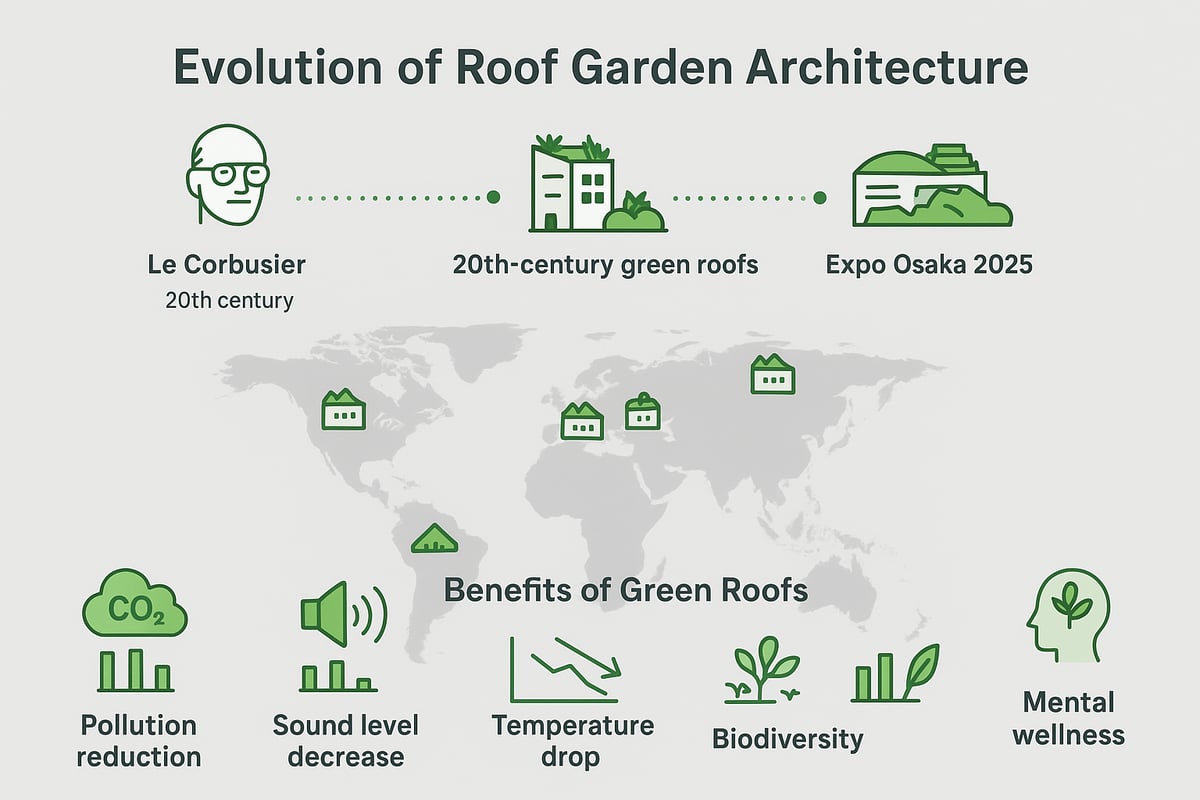
The roots of roof garden architecture can be traced back to early visionaries like Le Corbusier, who promoted green rooftops as one of his Five Points of Architecture. In the early 20th century, these ideas were seen in experimental urban projects that sought to reconnect people with nature above the city streets.
As technology improved, green roofs shifted from simple patches of grass to more complex systems. Designers began layering waterproofing, soil, and plants to create functional outdoor spaces. Over the decades, cities like Berlin, Tokyo, and New York led the way, showcasing rooftop gardens as both status symbols and practical assets.
Milestones such as the adoption of municipal green roof policies and the rise of international design competitions helped spread roof garden architecture worldwide. Today, these spaces are not just aesthetic features, but essential building components that reflect a city’s commitment to sustainability.
Urban Benefits and Societal Impact
The impact of roof garden architecture on urban life is profound. Research shows that greenery on buildings can reduce air pollution by up to 20 percent and lower sound levels by 10 decibels, making cities healthier and quieter. Beyond this, roof gardens act as natural air conditioners, reducing urban temperatures by as much as 10°C.
These green rooftops do more than just cool cities. They provide habitats for pollinators and birds, increase urban biodiversity, and create therapeutic spaces that boost mental well-being. The value of roof garden architecture is now recognized by city planners, environmentalists, and residents alike.
For a deeper look at how green roofs help tackle heat and pollution, see this authoritative Green Roofs and Urban Heat Reduction resource. By integrating nature into building design, roof gardens play a critical role in addressing the challenges of modern urban life.
Current Trends Shaping 2026
Looking toward 2026, roof garden architecture is being shaped by bold new trends. Major projects, such as the French Pavilion at Expo Osaka 2025, are embracing rooftop gardens as central design elements. The focus is shifting from simple green coverage to biophilic and regenerative philosophies that prioritize ecological health and human connection.
Municipalities around the world are introducing incentives and regulations to encourage more green roofs, accelerating their adoption. Architects are experimenting with multifunctional spaces that blend recreation, farming, and social interaction, all within the context of roof garden architecture.
These trends are driving innovation, setting new benchmarks for sustainability, and ensuring that roof garden architecture will remain at the forefront of urban design for years to come.
Core Design Principles for Roof Gardens in 2026
Designing successful roof garden architecture in 2026 demands a strategic approach that blends structural science, ecological wisdom, and user-centered thinking. Let us explore the essential principles that set thriving roof gardens apart from the rest.

Site Analysis and Feasibility
Every roof garden architecture project starts with a site-specific assessment. Structural engineers must analyze load capacity, evaluating whether the existing roof can safely support new garden layers. This process includes reviewing building age, materials, and previous modifications.
Climate, orientation, and microclimate factors are crucial. Sun, wind, and precipitation patterns influence plant health and user comfort. Accessibility is another priority, especially for residential and commercial spaces aiming for inclusivity.
Safety features, such as railings and non-slip surfaces, must be integrated from the outset. User experience begins with thoughtful planning, ensuring the roof garden architecture is not only visionary but also practical and secure.
Layered System Design
The backbone of modern roof garden architecture is its layered system. Each layer serves a specific function:
- Waterproofing membrane to prevent leaks
- Root barrier to block invasive roots
- Drainage layer for efficient water flow
- Engineered substrate for plant support
- Selected vegetation for aesthetics and function
Innovations in modular and lightweight systems are revolutionizing installation. Products like Geoplast Drainroof offer advanced drainage, ensuring roots stay healthy and buildings remain dry.
Modular trays and prefabricated components speed up construction and minimize structural strain. These advancements make roof garden architecture more accessible, especially in dense urban settings.
Plant Selection and Biodiversity
Smart plant selection is the heart of roof garden architecture. Choose resilient, low-maintenance species adapted to local climates and rooftop conditions. Drought-tolerant succulents, native grasses, and pollinator-friendly flowers are popular choices.
To maximize biodiversity, design plant palettes that attract bees, butterflies, and birds. Layer plants vertically, mixing groundcovers with shrubs and small trees where feasible.
Consider regional case studies for inspiration. For example, Mediterranean rooftops often feature lavender and thyme, while temperate cities succeed with sedums and prairie grasses. This approach ensures roof garden architecture thrives year-round.
Aesthetics, Functionality, and User Experience
Roof garden architecture must delight the senses and serve diverse needs. Visual appeal is balanced with practical features like seating, pathways, and flexible zones for recreation or urban farming.
Lighting and shading structures extend usability into evenings and hot summers. Social spaces can foster community, while edible gardens offer fresh produce.
A standout example is The Albero Respite rooftop retreat, which seamlessly blends natural beauty with functional gathering spaces. This project highlights how roof garden architecture can create immersive, multi-use environments that elevate urban living.
Sustainability and Performance Metrics
Sustainability is at the core of roof garden architecture. Green roofs can reduce building energy use by up to 8 percent, lowering cooling costs and carbon footprints.
Effective stormwater management is vital. Engineered substrates retain rainwater, cutting runoff and easing urban drainage systems. Noise reduction and air purification provide measurable health benefits.
Long-term success depends on monitoring ecological health, scheduling maintenance, and adapting to seasonal changes. Tracking metrics like energy savings, biodiversity levels, and user satisfaction ensures roof garden architecture delivers lasting value.
Step-by-Step Guide to Planning and Building a Roof Garden
Ready to transform your space with roof garden architecture? This step-by-step guide empowers you to bring a rooftop oasis to life in 2026. Each phase is tailored for both beginners and experienced designers, ensuring sustainable, beautiful, and high-performing results. Let’s break down the process into actionable steps, making your dream garden a reality.

Step 1: Initial Assessment and Goal Setting
Start your roof garden architecture journey by defining your vision. Do you want a tranquil retreat, a productive urban farm, or a vibrant social space? Clarify your main goals and ensure everyone involved shares the same priorities.
Next, assess your building’s structure. Engage a structural engineer to evaluate load-bearing capacity, waterproofing, and safety. This is crucial for long-term success and compliance.
Set a realistic budget and timeline. Research local regulations, permits, and incentives for green roofs. For inspiration and practical examples, explore the Residential architecture project gallery to see how others have integrated rooftop spaces.
Step 2: Design Development and Engineering Coordination
Collaboration is key in roof garden architecture. Assemble a team that includes architects, engineers, and landscape designers. Each expert brings unique insights to optimize functionality, beauty, and safety.
Develop detailed design plans. Consider layout, plant selection, irrigation, and lighting. Factor in accessibility, user flow, and microclimate effects. Use digital modeling tools for accurate visualization and planning.
Ensure your design complies with building codes and green roof standards. This step minimizes costly changes later and helps future-proof your project.
Step 3: Material Selection and Procurement
Choosing the right materials is a cornerstone of roof garden architecture. Prioritize high-performance waterproofing and root barrier systems to protect the building envelope. Select lightweight, sustainable substrates for plant health.
For drainage, opt for advanced solutions like modular trays or geocomposite mats that ensure efficient water management. Source regionally appropriate plants and eco-friendly construction materials to boost sustainability.
Compare options using the table below:
| Material Type | Sustainable Option | Key Benefit |
|---|---|---|
| Waterproofing | Recycled membranes | Longevity |
| Substrate | Lightweight blends | Reduced load |
| Drainage | Modular trays | Easy installation |
| Plants | Native, drought-tolerant | Low maintenance |
Step 4: Installation Process
With plans and materials ready, it’s time to build your roof garden architecture masterpiece. Follow a clear installation sequence for best results:
- Install waterproofing and root barriers first to safeguard the structure.
- Lay drainage layers to manage excess water.
- Add substrate and soil, ensuring even coverage.
- Plant selected vegetation, arranging for optimal sun and wind exposure.
Implement quality control at every stage. Inspect each layer for integrity and proper placement. Prioritize safety for all workers, and communicate roles clearly.
Step 5: Maintenance Planning and Long-Term Care
Ongoing care is essential for thriving roof garden architecture. Create a maintenance schedule covering irrigation, fertilization, pruning, and pest management. Choose automated irrigation systems or smart sensors for efficiency.
Adapt maintenance routines to seasonal shifts. Plan for periodic plant replacement and soil health checks. Document all activities to track progress and identify improvement areas.
Encourage building occupants to participate, fostering a sense of ownership and community around the rooftop space.
Step 6: Post-Completion Evaluation
After your roof garden architecture is complete, evaluate its performance. Measure outcomes like energy savings, biodiversity, stormwater retention, and user satisfaction. Use feedback from occupants to fine-tune maintenance and design.
Schedule regular inspections to spot issues early and ensure long-term sustainability. Keep detailed records, noting what worked well and what could be improved.
Share your results and lessons learned with the broader community. Your experience can inspire others and contribute to the evolving field of roof garden architecture.
Material Innovations and Technological Advances
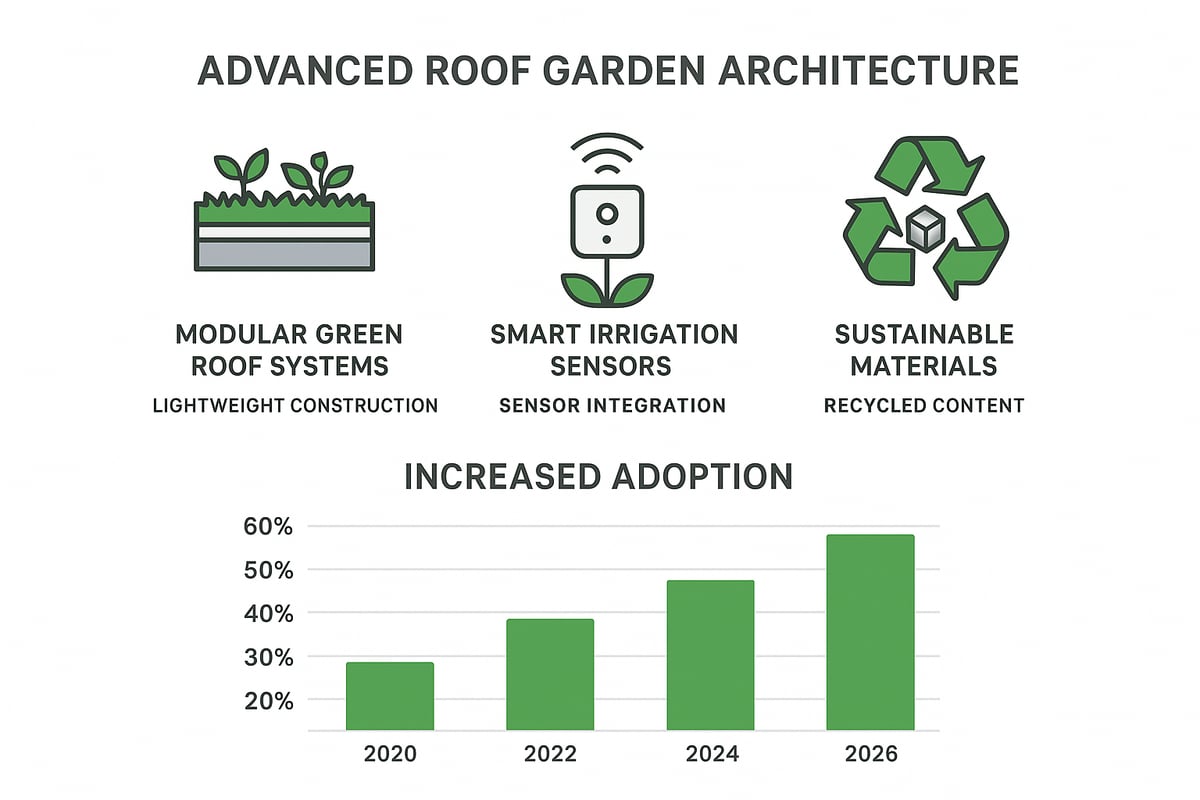
Material innovations and technology are transforming roof garden architecture, driving new standards for sustainability, efficiency, and user experience. As we look to 2026, cutting-edge systems and eco-friendly materials are making rooftop spaces more accessible and high-performing than ever before.
Next-Generation Green Roof Systems
The foundation of modern roof garden architecture lies in advanced green roof systems. Modular designs, lightweight substrates, and prefabricated components are now the norm, making installation quicker and more reliable.
Prefabricated options allow for precise quality control and minimal on-site disruption. Lightweight growing mediums reduce structural demands, enabling green roofs on older or less robust buildings.
A standout example is the Geoplast Drainroof system, which combines efficient drainage with structural support. Such innovations help manage water, prevent pooling, and protect the building envelope.
| System Type | Key Feature | Benefit |
|---|---|---|
| Modular Panels | Fast install | Less labor, flexible |
| Lightweight Substrate | Reduced load | Broader building fit |
| Advanced Drainage | Water control | Longevity, plant health |
These advances are setting new benchmarks for roof garden architecture, ensuring long-term performance and design flexibility.
Smart Irrigation and Monitoring
Technology is reshaping how roof garden architecture is maintained and optimized. Smart sensors now track soil moisture, temperature, and plant health in real time.
Automated irrigation systems respond to sensor data, delivering water only when needed. This approach conserves water and ensures consistent plant vitality. Remote monitoring tools allow building managers to check conditions and adjust settings from their smartphones.
Benefits of smart monitoring include:
- Water savings through precision irrigation
- Early detection of plant stress or disease
- Reduced maintenance effort and cost
Integrating these systems into roof garden architecture not only boosts sustainability but also improves user experience. As a result, rooftop gardens are thriving with less manual intervention, making them more appealing for both commercial and residential applications.
Sustainable and Circular Material Choices
Sustainability is at the core of next-level roof garden architecture. Designers are choosing recycled, locally sourced, and low-carbon materials for every layer—from root barriers to waterproofing membranes.
Innovations in root barrier technology are extending lifespans while minimizing environmental impact. New waterproofing membranes offer enhanced durability and are often made from recycled content. Environmental certifications, such as LEED or BREEAM, are increasingly sought after to validate these material choices.
Circular design principles ensure that materials can be reused or recycled at the end of their life cycle. This reduces waste and supports a regenerative approach to construction.
For a deeper look at sustainable design strategies and material choices in roof garden architecture, explore this Sustainable design services overview detailing innovative solutions for modern rooftops.
Sustainability, Resilience, and Urban Impact
Cities worldwide are embracing roof garden architecture as a solution for a more sustainable, resilient future. These innovative spaces are transforming urban environments, offering measurable environmental benefits while reshaping how we live, work, and connect with nature.
Environmental and Climate Benefits
Roof garden architecture plays a crucial role in tackling urban environmental challenges. By integrating greenery on rooftops, cities can cut air pollution by up to 20% and lower noise levels by 10 decibels. These gardens help cool city temperatures by as much as 10°C, making a real difference in combating the urban heat island effect.
Beyond temperature and air quality, roof garden architecture supports urban biodiversity. These spaces attract pollinators and native species, creating vital green corridors. Stormwater management is another key benefit, as roof gardens absorb rain, reducing runoff and easing pressure on city infrastructure. For more on how these systems support climate resilience and sustainable development, see Green Roofs and Climate-Aware Urban Planning.
Enhancing Building Performance and Value
Investing in roof garden architecture directly boosts building performance and value. Green roofs act as natural insulation, reducing energy consumption by up to 8%. This leads to lower utility bills and a more comfortable indoor environment year-round.
Property values also rise when roof gardens are part of the design. Occupants enjoy improved well-being, access to outdoor spaces, and a sense of community. Commercial and residential properties with sustainable features often see higher demand and faster leasing rates. Explore the Economic Benefits of Green Roofs for data on return on investment and cost savings.
Table: Building Value Impact
| Feature | Benefit |
|---|---|
| Energy Efficiency | 8% lower energy usage |
| Property Value | Increased resale/rental |
| Occupant Satisfaction | Higher well-being scores |
Policy, Incentives, and Community Engagement
As the demand for roof garden architecture grows, cities are responding with new regulations and incentives. Many municipalities now require or promote green roofs on new developments, offering tax credits, grants, or expedited permitting.
Community-driven initiatives are also reshaping urban skylines. Public-private partnerships help fund large-scale projects and engage residents in planning and maintenance. Municipal programs often showcase successful roof garden architecture, inspiring more widespread adoption.
The future of roof garden architecture relies on continued collaboration between policymakers, communities, and industry leaders. By participating in these initiatives, everyone can help create healthier, more resilient cities for generations to come.
Future Trends and Vision for Roof Garden Architecture
Cities are changing fast, and roof garden architecture is at the heart of this transformation. As we look ahead to 2026, the future of rooftop design is more exciting than ever. Architects, developers, and city planners are embracing bold new visions that blend technology, sustainability, and aesthetics to create greener skylines and healthier communities.
Integration with Smart Cities and Urban Infrastructure
Roof garden architecture is rapidly merging with smart city technologies. In 2026, rooftops are no longer just green spaces but dynamic hubs connected to urban infrastructure. Imagine gardens equipped with IoT sensors that monitor plant health, soil moisture, and even air quality in real time.
These intelligent features help optimize irrigation, reduce water waste, and support automated maintenance routines. Many cities now combine roof gardens with solar panels and rainwater harvesting systems, maximizing resource efficiency and supporting local energy grids.
This integration transforms rooftops into multifunctional assets, contributing to urban food production, stormwater management, and citywide climate resilience. As urban areas become denser, the strategic use of roof garden architecture is essential for creating sustainable, connected environments.
Design Innovations and New Aesthetics
The next wave of roof garden architecture is defined by regenerative, adaptive, and immersive designs. Inspired by global events like Expo Osaka 2025, architects are experimenting with living walls, modular landscapes, and nature-inspired forms that blur the boundaries between built and natural environments.
Biophilic design is no longer a trend but a core principle, with projects prioritizing biodiversity, sensory experiences, and user well-being. Rooftop spaces are evolving into vibrant destinations for relaxation, urban farming, and community gatherings.
For those seeking deeper inspiration, Insights into architectural excellence showcases advanced strategies shaping the future of green and rooftop innovations. As new materials, plant palettes, and interactive features emerge, roof garden architecture is set to redefine city living.
Anticipated Challenges and Opportunities
While the future is bright, roof garden architecture faces real-world challenges. Climate adaptation is a top concern, as designers must select resilient plants and systems that can withstand extreme weather. Maintenance and long-term care require smart planning, from automated irrigation to community stewardship models.
Scalability presents both an obstacle and an opportunity. As more buildings seek to add green roofs, architects must develop cost-effective solutions that work for diverse structures and climates. Yet, these challenges open doors for innovation, collaboration, and new business models.
Looking forward, the potential impact of roof garden architecture extends beyond aesthetics. It promises healthier cities, stronger communities, and a new era of urban resilience. Now is the time for leaders to invest, experiment, and shape the future skyline.
After exploring the latest trends, practical design tips, and real-world benefits of roof gardens, you might be wondering how these insights can shape your own project—whether it’s for your home, business, or a larger development. At WL3 Designs, we’ve helped clients across the U S and Costa Rica turn innovative rooftop visions into thriving green spaces that boost property value, sustainability, and everyday well being. If you’re ready to see what’s possible for your rooftop, let’s make sure your ideas are both inspiring and feasible. Take the next step and Request a Feasibility Review
today.
WL3 Designs Blog