Holistic Architecture Guide: Principles and Practices for 2026
Imagine stepping into a building where every element feels alive and interconnected. Holistic architecture makes this possible by designing spaces that support people, communities, and the planet all at once.
As we look to 2026, the need for holistic architecture has never been greater. Urban growth, environmental stress, and rising demands for well-being are driving a new design paradigm. This guide will show you how to harness holistic architecture principles for healthier, more resilient projects.
Ready to unlock the benefits of lower energy costs, enhanced well-being, and meaningful impact? Dive in for actionable insights you can use on your next build.
Understanding Holistic Architecture: Definition and Core Concepts
Holistic architecture is rapidly reshaping the way we think about the built environment. Instead of seeing a building as a stand-alone object, this approach considers every structure as a living part of a much larger ecosystem. As we move toward 2026, understanding this concept is crucial for architects, developers, and communities aiming to create spaces that truly nurture people and the planet.
What is Holistic Architecture?
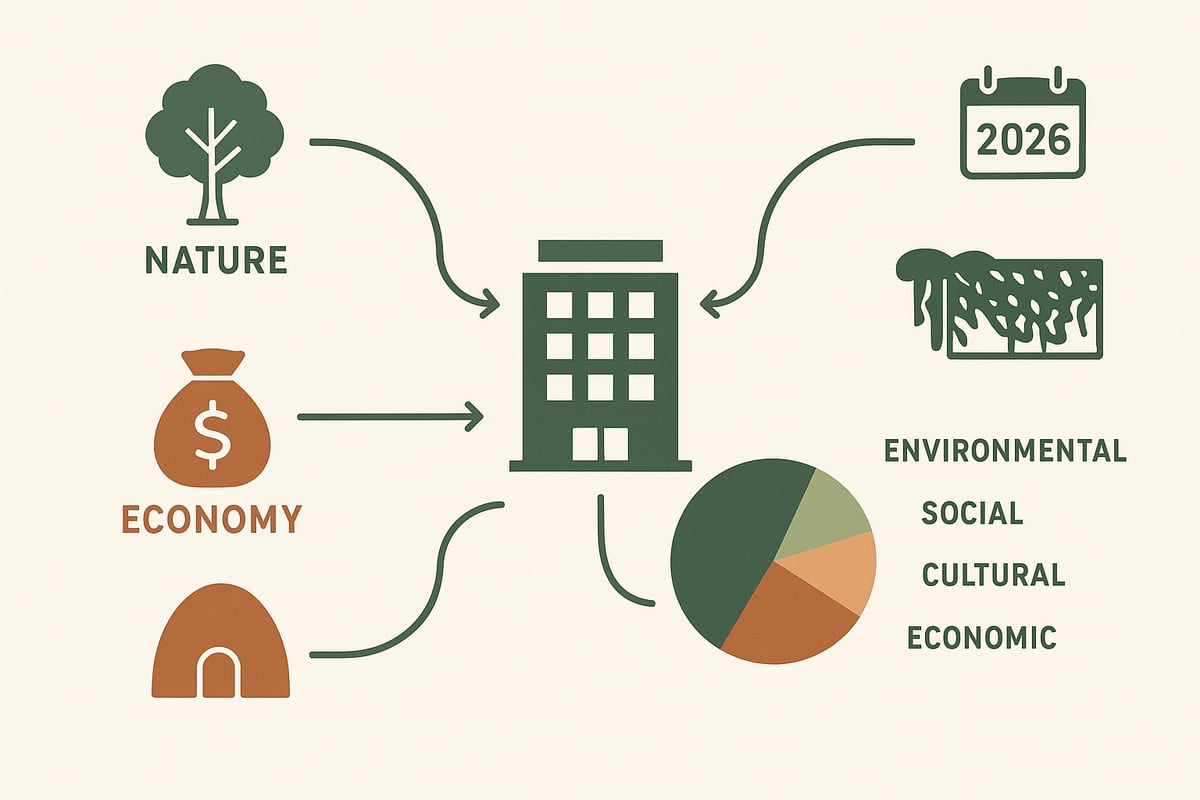
Holistic architecture is a system-based approach that designs buildings as integrated, interdependent parts of a larger whole. Unlike traditional or even sustainable architecture, holistic architecture moves beyond minimizing negative impacts. It actively seeks to enhance environmental, social, cultural, and economic well-being.
This methodology integrates factors like site ecology, occupant health, cultural values, and resource cycles. The result is a building that supports both human and ecological health. For instance, Tamera’s vision in Portugal designs for the well-being of humans, animals, and local ecosystems together. Multi-zone ecological design even supports interspecies communication, illustrating how holistic architecture addresses the entire system rather than isolated parts.
For a deeper dive into the theoretical framework and analysis behind this approach, explore this Holistic View of Architecture Definition resource.
The Evolution of Holistic Architecture
The roots of holistic architecture reach far back into indigenous and vernacular traditions. Communities in Portugal, for example, constructed adobe and straw bale homes that responded naturally to local climates and resources. These time-tested strategies were inherently sustainable and community-focused.
Today, the resurgence of holistic architecture is fueled by urgent issues like climate change, rapid urbanization, and the rising need for spaces that support mental health. Modern holistic architecture blends biophilic, regenerative, and circular design philosophies. Global movements such as regenerative design and biotopes are shaping new standards. According to recent research, demand for buildings that enhance well-being and ecological balance is surging. Viritopia’s living walls and green roofs exemplify how these principles are applied in urban environments, improving both air quality and biodiversity.
Holistic architecture is not a fleeting trend. It is a response to the growing realization that our built environments must evolve to meet complex, interconnected challenges.
Why 2026? The Need for a New Paradigm
By 2026, holistic architecture is set to become the new standard due to powerful regulatory and societal shifts. Cities are driving toward net-zero emissions, wellness, and climate resilience in response to urban growth and resource scarcity. Urban populations are projected to rise sharply, intensifying the need for innovative solutions.
There is mounting evidence that holistic spaces boost health and productivity. Green infrastructure in city centers, for example, can significantly reduce the heat island effect, making urban areas more livable. As more stakeholders recognize these benefits, 2026 stands out as a pivotal moment for mainstream adoption of holistic architecture principles. This shift is not just about compliance, but about creating environments where both people and nature thrive.
Principles of Holistic Architecture
Creating environments that truly nurture people, communities, and the planet demands a shift in mindset. The principles of holistic architecture provide a blueprint for this transformation. Each principle works in harmony, ensuring that every project supports well-being, resilience, and ecological balance.
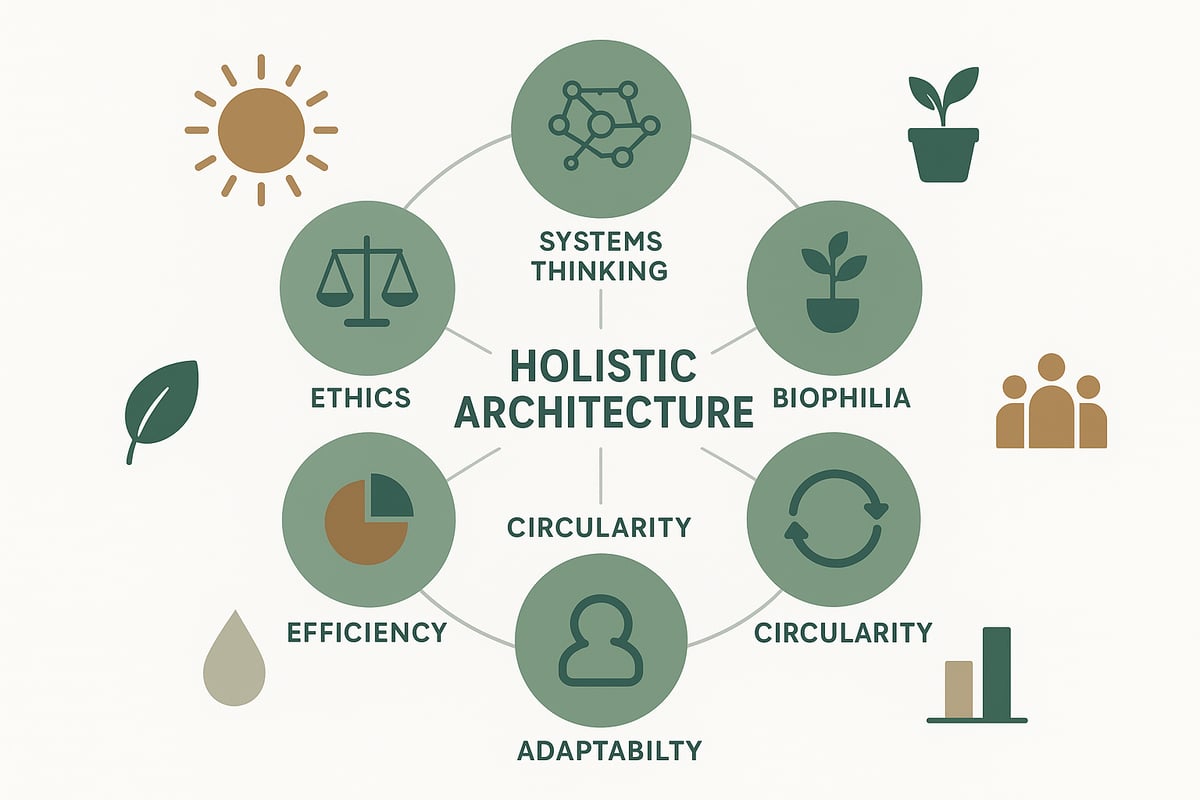
Systems Thinking and Interconnectedness
Holistic architecture starts with seeing buildings as living systems. Each component, from materials to energy flows, interacts with the wider ecological and social context. Unlike traditional design, this approach considers the ripple effects of every choice. For example, passive solar design responds to local climate, reducing energy use while improving comfort.
By adopting a systems mindset, architects unlock new synergies between buildings, landscapes, and communities. This philosophy is central to our architectural design approach, ensuring that every project is truly integrated. Holistic architecture thrives when we connect the dots and design with the whole in mind.
Integration of Nature and Biophilia
Bringing nature into built environments is a signature of holistic architecture. Living walls, green roofs, and abundant natural light transform interiors, making spaces healthier and more inviting. Studies show offices with biophilic design can boost productivity by up to 15 percent.
Biophilic elements support mental clarity and reduce stress, while also improving air quality. These features are not only beautiful but essential for fostering a deep connection between people and the natural world. Holistic architecture uses nature as a design partner, not just a backdrop.
Social and Community Well-being
At its core, holistic architecture aims to uplift communities. Designs prioritize inclusivity, accessibility, and opportunities for social interaction. Multi-functional spaces, such as communal buildings with zones for learning and gathering, strengthen community resilience.
Projects shaped by holistic architecture foster social bonds and encourage collaboration. By involving diverse voices in the process, architects create environments where everyone feels valued and supported, ensuring social sustainability alongside environmental goals.
Circularity and Regenerative Design
Holistic architecture advances beyond sustainability by embracing circular and regenerative principles. Materials are chosen for their local, renewable, or upcycled qualities, reducing waste and environmental impact. Design for adaptability and disassembly ensures that resources can be reused, closing the loop.
For example, up-cycled textiles and straw bale construction minimize embodied carbon. Circularity means every resource is valued, and the building itself can adapt over time. This regenerative mindset is foundational to holistic architecture's commitment to long-term planetary health.
Energy, Water, and Resource Efficiency
Efficiency is a cornerstone of holistic architecture. Passive strategies like solar orientation and thermal mass work hand-in-hand with active systems, such as renewables and energy storage. Water retention landscapes and closed-loop systems further conserve resources.
Green roofs can cut building energy use by up to 25 percent, making efficiency both practical and impactful. Every aspect of holistic architecture is designed to minimize consumption, lower costs, and enhance resilience for years to come.
Flexibility and Adaptability
Holistic architecture recognizes that people's needs and environments change. Spaces are designed to evolve, with modular layouts, reconfigurable zones, and adaptive climate control. For instance, membrane-like roofs in community plazas provide flexible shading and comfort throughout the year.
Adaptable design ensures longevity and relevance, making buildings future-proof. This flexibility is a vital aspect of holistic architecture, supporting both individual well-being and broader ecological shifts.
Ethical and Cultural Considerations
Respect for local traditions and community values lies at the heart of holistic architecture. Every project is shaped by empathy for both human and non-human inhabitants. By honoring crafts, customs, and social justice, architects use design as a tool for cultural preservation.
Holistic architecture is not just about physical structures, but about nurturing the spirit and identity of a place. This ethical foundation ensures that architecture becomes a force for positive transformation.
Holistic Architecture in Practice: Design Strategies for 2026
Designing for holistic architecture in 2026 means weaving together site, community, materials, and advanced strategies. Every step, from analysis to participation, is an opportunity to create spaces that truly nurture life. Let’s break down key strategies that bring holistic architecture to life in real-world projects.
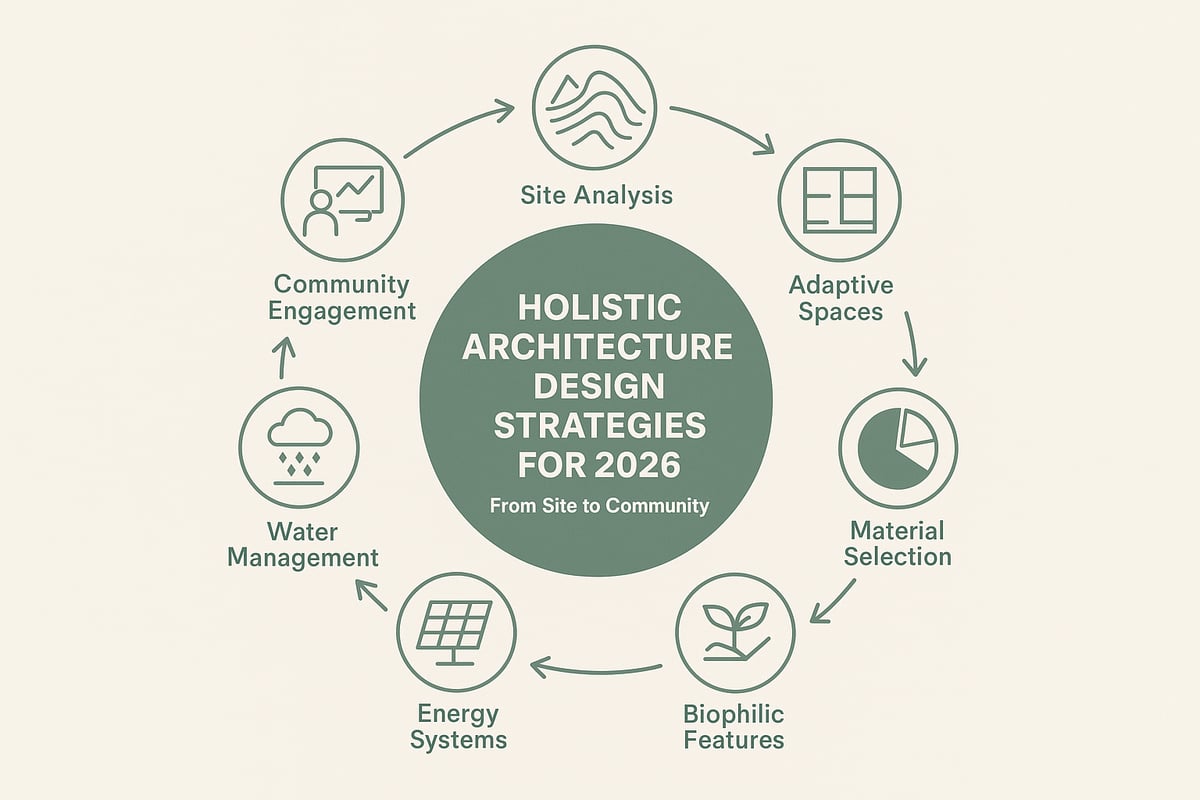
Site Analysis and Contextual Integration
Every holistic architecture project starts with a deep dive into the site’s unique context. Before drawing a single line, architects study the land, climate, local culture, and surrounding ecosystems.
- Map sun paths and wind patterns to maximize natural light and ventilation.
- Preserve mature trees, waterways, and native habitats.
- Engage with local communities to understand traditions and needs.
Careful site analysis prevents environmental harm and ensures the building supports biodiversity. In holistic architecture, respecting the context is the foundation for harmony between people and nature. This approach transforms each project into a positive force for its location.
Multi-Zone and Adaptive Spaces
Holistic architecture goes beyond static rooms. Instead, it creates multi-zone spaces that can shift as needs change. These zones allow for different climates, activities, and energy uses within a single structure.
- Flexible layouts that support work, rest, and socializing.
- Movable partitions and adaptable furniture.
- Smart climate zones that adjust to weather and occupancy.
By designing for adaptability, holistic architecture enhances comfort and extends a building’s useful life. Spaces that evolve with people and seasons help communities thrive, reducing the need for costly renovations and waste.
Material Selection and Resource Flows
Material choices are crucial in holistic architecture. Prioritizing local, renewable, and low-impact materials lowers embodied carbon and supports regional economies.
- Use clay, straw, wood, and stone from nearby sources.
- Design for future disassembly and recycling.
- Track resource flows to minimize waste.
For inspiration, explore Sustainable residential architecture projects that showcase how thoughtful material selection turns buildings into living systems. These projects demonstrate that holistic architecture is both practical and beautiful, marrying sustainability with performance.
Biophilic and Regenerative Features
Nature is central to holistic architecture. Bringing the outdoors in boosts well-being and supports local ecosystems.
- Living walls and green roofs improve air quality.
- Large windows and skylights maximize daylight.
- Indoor gardens attract pollinators and offer calming views.
Research shows biophilic spaces can increase productivity and reduce stress. Regenerative features, like rain gardens and habitat roofs, make buildings active participants in the landscape. Holistic architecture ensures every project gives back more than it takes.
Passive and Active Energy Systems
Energy efficiency is a pillar of holistic architecture. Combining passive and active systems reduces costs and environmental impact.
- Orient buildings for solar gain and cooling breezes.
- Integrate thermal mass for stable indoor temperatures.
- Use photovoltaics and solar thermal panels for renewable energy.
Active systems, like energy storage and smart controls, ensure reliable performance year-round. When holistic architecture leverages both passive and active strategies, it creates resilient, future-ready spaces that slash energy bills and carbon footprints.
Water Management and Ecological Sanitation
Water-smart design is non-negotiable for holistic architecture. Strategies that capture, reuse, and filter water protect communities from drought while supporting healthy ecosystems.
- Install rainwater harvesting and greywater recycling.
- Design landscapes for water retention and slow runoff.
- Use ecological toilets and composting systems.
These methods close the loop on water use, turning waste into resources. Holistic architecture treats water as a precious asset, building resilience in the face of climate change and scarcity.
Community Engagement and Participatory Design
The heart of holistic architecture is people. Involving users, neighbors, and stakeholders in the design process leads to spaces that truly serve their communities.
- Host co-creation workshops and design charrettes.
- Gather feedback throughout design and construction.
- Empower local craftspeople and builders.
Participatory design fosters a sense of ownership and pride. When communities shape their spaces, holistic architecture becomes a catalyst for social innovation and long-term success.
Innovative Materials and Technologies in Holistic Architecture
Reimagining materials and technologies is key to advancing holistic architecture. As the field evolves, innovation is driving healthier, more sustainable, and resilient spaces. Let’s explore how natural materials, cutting-edge systems, and circular thinking are shaping the future of built environments.
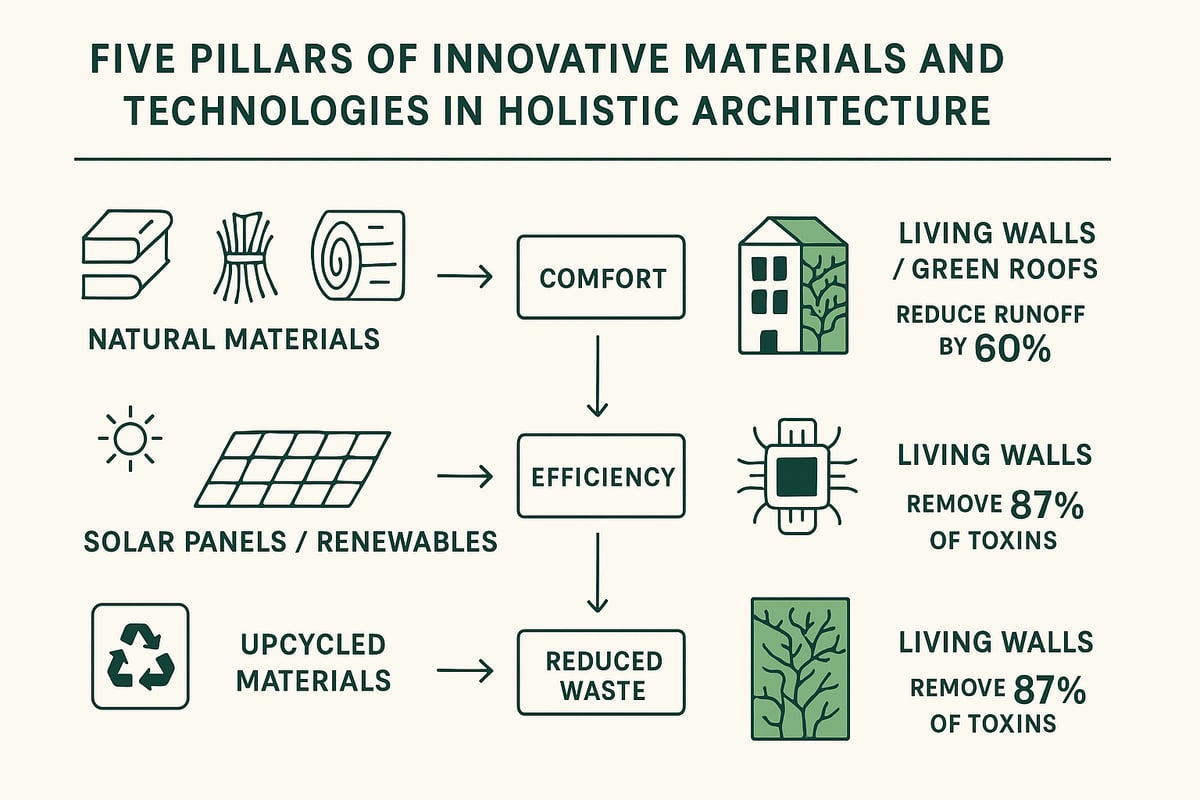
Natural and Local Materials
Holistic architecture starts at the source, using materials that are natural, local, and healthy. Clay, straw, wood, and stone are time-tested choices that offer superb thermal comfort and regulate indoor humidity. These materials are not just eco-friendly, they connect buildings to local heritage and craft traditions.
- Clay and earth buildings reduce transportation emissions.
- Straw bale offers high insulation and is renewable.
- Wood and stone support natural aesthetics and durability.
Choosing these materials supports local economies and reduces the building’s environmental footprint. In Portugal, for example, earth buildings are experiencing a renaissance within holistic architecture due to their comfort and sustainability.
Green Infrastructure: Living Walls and Roofs
Green infrastructure brings nature directly into the built environment, a hallmark of holistic architecture. Living walls and green roofs provide natural insulation, boost biodiversity, and manage stormwater efficiently.
- Living walls can remove up to 87 percent of airborne toxins within 24 hours.
- Green roofs can extend a roof’s lifespan by 200 percent.
- These features lower building energy use and support urban wildlife.
Viritopia’s living wall systems are leading examples, transforming both residential and commercial spaces. The integration of plants helps create healthier, more vibrant environments that align with holistic architecture principles.
Solar and Renewable Energy Systems
Energy innovation is central to holistic architecture. Passive solar design optimizes building orientation and materials to capture natural warmth and light, while active systems like photovoltaics and solar thermal panels generate clean energy.
- Solar energy can be stored in batteries for resilience.
- Microgrids allow buildings to operate independently during grid outages.
- Biogas systems convert organic waste into usable energy.
Tamera’s Solar Kitchen is a practical showcase, using solar and biogas technologies to meet daily needs. These renewable solutions minimize carbon footprints and are increasingly featured in Architecture Trends in 2026, reflecting the growing impact of holistic architecture.
Smart Building Technologies
Holistic architecture leverages smart technologies to optimize resource use and comfort. Embedded sensors monitor air quality, temperature, and energy flows, enabling real-time adjustments that boost efficiency without sacrificing well-being.
- Automation systems manage lighting, heating, and water.
- Data analytics identify areas for improvement and predict maintenance needs.
- Smart controls can adapt to occupant preferences and changing conditions.
While technology can enhance holistic architecture, it is not a substitute for thoughtful, people-centered design. The best results come from a balanced approach that integrates both nature and innovation.
Upcycling and Circular Innovation
Circular thinking is transforming holistic architecture by turning waste into valuable resources. Upcycling repurposes existing materials, reducing landfill use and conserving raw resources. At Tamera, textiles and building components find new life in creative construction.
- Construction and demolition waste make up 30 percent of global landfill.
- Upcycled materials can lower costs and inspire unique design solutions.
- Circular systems prioritize adaptability, disassembly, and resource loops.
This regenerative approach ensures that holistic architecture is not only sustainable but also future-proof, supporting both people and the planet.
Case Studies: Global Examples of Holistic Architecture
Around the world, holistic architecture is transforming how we design, build, and experience our spaces. These case studies reveal how integrating environmental, social, and economic priorities leads to healthier communities and resilient environments.
Tamera’s Multi-Zone Ecological Design (Portugal)
Tamera’s village in Portugal is a pioneering example of holistic architecture, blending traditional materials with cutting-edge ecological strategies. Here, straw bale and clay buildings are designed to work with the local climate, reducing energy demand and enhancing comfort.
The design supports diverse functions—education, art, and community life—while promoting biodiversity through green roofs and water retention landscapes. Passive regulation keeps interiors pleasant year-round, cutting costs and environmental impact.
By prioritizing local resources and community needs, Tamera demonstrates that holistic architecture can deliver both affordability and quality of life. Residents report a strong sense of connection to their environment and each other.
Viritopia’s Living Wall and Green Roof Projects (UK)
Viritopia’s projects in the UK bring holistic architecture into dense urban settings. Their living walls and green roofs at sites like Trafalgar Place and London Wall Place improve air quality, offer insulation, and create habitats for urban wildlife.
These green features help cities tackle the heat island effect, lowering local temperatures and reducing building energy use. For example, living walls have been shown to cut airborne toxins and support biodiversity, making city life healthier.
Viritopia’s work proves that even in the heart of a metropolis, holistic architecture can reconnect people with nature and support ecological resilience.
International Examples
Globally, holistic architecture is gaining momentum. Singapore’s Oasia Hotel Downtown features lush vertical gardens and natural ventilation, transforming a skyscraper into a living ecosystem.
In the United States, the Bullitt Center in Seattle achieves net-positive energy, rainwater harvesting, and biophilic design—all hallmarks of holistic architecture. Community-led housing projects, such as those built with participatory design and local materials, show that diverse cultures can adapt these principles.
These international cases underline that holistic architecture is not limited by geography or scale. Its adaptable framework creates value in every context.
Lessons Learned and Success Factors
Several factors drive successful holistic architecture projects:
- Early integration of holistic principles in the design process
- Active community involvement and participatory design
- Flexibility to adapt spaces for changing needs
- Use of local and renewable materials
For deeper insights into how excellence in design and strategic investment intersect, explore the Discover the Designed to Deliver series.
These lessons show that holistic architecture thrives where collaboration, foresight, and innovation meet.
Challenges and Solutions
Despite the benefits, holistic architecture faces hurdles:
- Regulatory and zoning restrictions
- Upfront costs versus lifecycle savings
- Cultural resistance to new building methods
Solutions include advocating for policy change, leveraging lifecycle cost analysis, and fostering education. Projects like Tamera’s overcame zoning challenges by working closely with local authorities and showcasing long-term benefits.
For professionals seeking assurance in delivering integrated solutions, the Vision Fulfillment Guarantee supports holistic practice and client-centered results.
By addressing these challenges, holistic architecture is poised to become the standard for resilient, thriving communities worldwide.
Future Trends and Opportunities in Holistic Architecture
As we look toward 2026, holistic architecture is set to transform the built environment on a global scale. The next wave of design will be guided by a blend of urgent climate action, technological innovation, and a renewed focus on human and planetary well-being. These trends reveal new opportunities for architects, developers, and communities to lead with vision and purpose.
Mainstreaming Holistic Design
Holistic architecture is rapidly moving from niche to mainstream. The drive for healthier, more resilient buildings is reshaping the industry. Green building certifications now incorporate holistic criteria, including well-being, biophilia, and climate resilience. In fact, 70 percent of global construction firms plan to adopt green and holistic practices by 2026.
This shift is fueled by both market demand and regulatory incentives. As more organizations follow wellness-focused trends, spaces are being designed to promote mental clarity and emotional well-being. For more on the latest wellness trends, check out Wellness Architecture Trends for 2025.
Climate Adaptation and Resilience
Climate adaptation is a central pillar of holistic architecture. Designers are responding to extreme weather, resource scarcity, and rising urban temperatures. Nature-based solutions like green corridors, permeable surfaces, and urban forests are being integrated to reduce heat and manage stormwater.
Water retention landscapes are gaining traction, helping communities withstand both drought and flooding. Holistic architecture ensures buildings and cities not only survive but thrive amid climate challenges. By prioritizing resilience, projects safeguard both people and ecosystems for the long term.
Digital Technologies and Data-Driven Design
Digital revolution is empowering holistic architecture with new tools. Building Information Modeling (BIM), digital twins, and AI-driven simulations are optimizing energy, water, and material flows. Smart sensors monitor indoor air quality, occupancy, and resource use in real time.
These technologies enhance, but do not replace, holistic thinking. Data-driven insights allow for proactive maintenance and performance tuning. Embracing digital tools helps designers make informed choices, creating spaces that are both intelligent and deeply human-centered.
Social Innovation and Community-Led Development
Holistic architecture is also about people and participation. Social innovation is fueling new models, such as co-housing, eco-villages, and cooperative ownership. Communities are co-creating spaces through participatory budgeting and design, ensuring equity and shared ownership.
Examples like community-built Aldeia da Luz and global biotope networks show the power of collective action. When stakeholders are empowered, projects are more adaptable and resilient. Holistic architecture thus becomes a catalyst for social equity and innovation.
Policy, Regulation, and Incentives
Policy is catching up with the promise of holistic architecture. Emerging standards now include regenerative and circular metrics in planning and permitting. Cities that offer green infrastructure incentives see project approvals up to 30 percent faster.
Government grants and tax breaks are making it easier to invest in holistic solutions. As regulations evolve, they not only raise the bar for sustainability but also drive holistic thinking across the industry. This alignment of policy and practice accelerates the transition to healthier, regenerative spaces.
Education and Professional Development
The rise of holistic architecture is influencing how professionals are trained. New curricula for architects, planners, and engineers stress interdisciplinary collaboration, systems thinking, and regenerative design. Lifelong learning is encouraged through workshops and international certifications.
Organizations are offering specialized courses to address demographic trends, wellness, and universal design. For a deeper dive into these strategies, consider the Integrative Approach to Future Home Design course, which explores how design can prioritize health, safety, and inclusivity for all ages.
Looking Ahead: 2026 and Beyond
By 2026, holistic architecture will be the standard for thriving communities and resilient cities. Built environments will function as living systems, fostering health, biodiversity, and social connection. The opportunities are vast for those ready to lead this transformation.
Now is the time to embrace the principles of holistic architecture. Architects, developers, and policymakers have the power to shape a regenerative future. Let’s commit to building spaces that nurture people, communities, and the planet for generations to come.
You’ve just explored how holistic architecture can transform our spaces and lives—creating environments that nurture people, communities, and the planet all at once. If you’re inspired to bring these principles to your next residential or commercial project, why not take the first step toward real change? At WL3 Designs, we combine innovative design, engineering expertise, and a passion for sustainability to help you realize your vision. Whether you’re curious about feasibility, ready to dive in, or somewhere in between, we’re here to guide you through every phase. Let’s make your project part of the future— Start Your Project.
WL3 Designs Blog